


Please note: This website contains affiliate links. As an Amazon Associate, we earn from qualifying purchases at no additional cost to you.
Ever notice how you can scroll through social media like a pro for hours, but sticking to a workout routine feels like trying to wrestle a raccoon?
If you’ve ever questioned why bad habits cling to you like glitter and good ones slip away faster than your motivation on Monday morning, you’re not alone.
Turns out, our brains are wired for habits – the good, the bad, and the “I just spent 30 minutes watching dog videos” kind. Habits exist to save energy and keep life running on autopilot, but not all of them play fair. Some habits stick like glue, while others feel impossible to build.
In this article, we’re diving headfirst into the science and psychology behind why bad habits are so stubborn, how to trade them for better ones, and the tools you need to stay on track and create lasting change (without losing your sanity).
Why Can’t I Stop My Bad Habits?
Bad habits form because they offer immediate rewards, even if those rewards are short-lived. Whether it’s stress eating, procrastinating, or spending hours on Netflix, these habits provide a sense of relief, comfort, or pleasure.
At the core of every habit is a loop:
- Trigger: The cue that starts the habit (e.g., feeling stressed).
- Routine: The behavior itself (e.g., reaching for a cookie).
- Reward: The payoff that reinforces the habit (e.g., momentary stress relief).
Your brain loves efficiency, and habits help it operate on autopilot. Once a habit is formed, the basal ganglia takes over, making the behavior automatic. This is why willpower alone isn’t enough to break bad habits—it’s like trying to reprogram a machine without turning it off.
How to Replace a Bad Habit with a Good One
The golden rule of habit change is this: You can’t simply eliminate a habit—you have to replace it with something that serves the same purpose.
Step 1: Identify the Trigger
What’s causing the habit? Is it boredom, stress, or a specific time of day? Understanding the trigger is crucial.
Step 2: Find a Positive Replacement
Choose a healthier behavior that fulfills the same need. For example:
- Replace mindless snacking with drinking herbal tea.
- Swap late-night scrolling for reading a book.
Step 3: Reinforce the New Habit
Celebrate small wins to make the new habit stick. Reward yourself with something meaningful, like a moment of relaxation or a small treat.
Example: If you usually check your phone first thing in the morning, try replacing that habit with journaling or stretching. Leave your phone in another room to reduce temptation.
When the Reward Changes: What Food Habits Taught Me About the Loop
Here’s where the habit loop gets personal for a lot of us: food. Stress eating is the textbook example — trigger (rough day), routine (hand in the snack cabinet), reward (brief comfort). You can know the loop inside and out and still find yourself standing in front of the pantry at 9 PM.
What’s fascinating is what happens when the reward side of the loop changes. I’ve experienced this firsthand on a GLP-1 medication: the constant background chatter about food — what researchers and patients call “food noise” — goes quiet. Suddenly the routine (snacking) doesn’t deliver the same payoff, and habits I’d fought for years just… loosened their grip.
It was a real-time lesson in how much of “willpower failure” was never about willpower at all. The loop was doing exactly what loops do.
You don’t need medication to use this insight, though. The takeaway is that the reward is the load-bearing part of the habit. If you can make the old reward less satisfying (eat at the table without screens, so snacking loses its zone-out payoff) or make a replacement genuinely rewarding (herbal tea ritual, a short walk that actually feels good), you’re working with the loop instead of white-knuckling against it.
How to Track Your Progress
Tracking habits isn’t just about accountability—it’s about creating awareness and celebrating growth.
Methods to Track Habits:
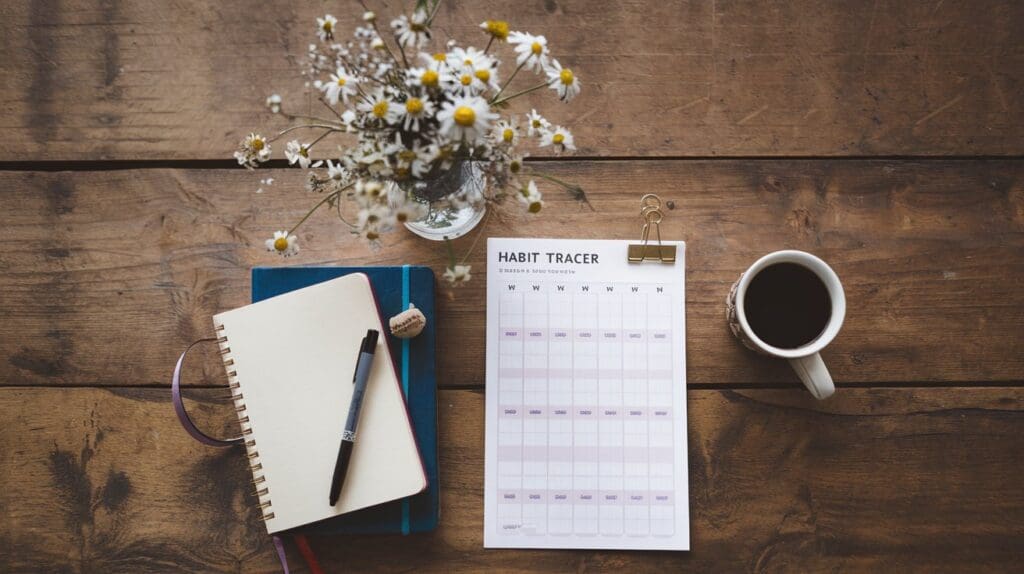
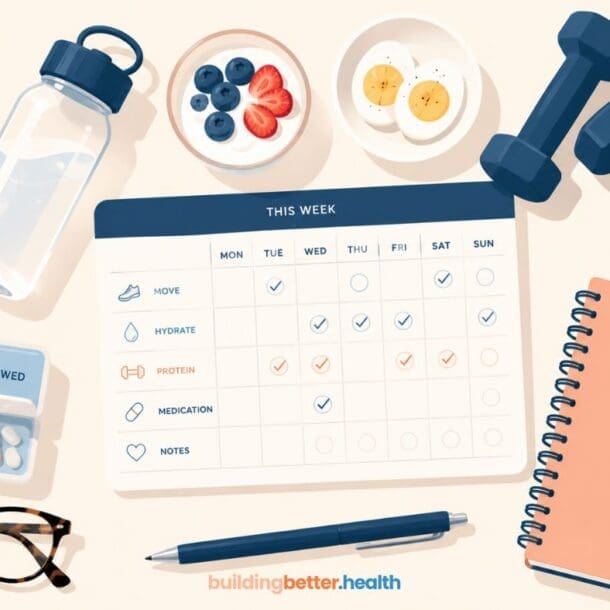
- Habit Trackers: Use an app like Habitica, Streaks, or a simple bullet journal to monitor daily progress.
- Yes/No Checklists: Write down your habit and check off each day you complete it.
- Reflective Journals: Keep a short log of what worked, what didn’t, and how you felt.
Why It Works:
Seeing your progress visually can be a powerful motivator. A streak of completed days can inspire you to keep going, while gaps provide valuable insights into your triggers and challenges.
What Does Science Say About Habit Formation?
The idea that it takes 21 days to form a habit is a myth. Research shows that forming a new habit takes an average of 66 days, but it can vary widely depending on the complexity of the habit and the individual.
Key Findings from Research:
- Repetition Matters: The more consistently you repeat a behavior, the more automatic it becomes.
- Environment Plays a Huge Role: Small changes to your surroundings can make or break a habit (e.g., keeping healthy snacks visible or placing your gym shoes by the door).
- Don’t Count on Willpower: Starting a new habit takes real, deliberate effort — but here’s the good news: the whole point of a habit is that it eventually runs on autopilot. The goal isn’t to become someone with iron willpower; it’s to need less of it. That’s why the environment tweaks above matter so much more than gritting your teeth.
Expert Recommendations for Breaking Bad Habits and Forming Good Ones
(Amazing) Books to Read:
- Atomic Habits by James Clear (this one was so good I bought the hardcover AND the audiobook!)
- The Power of Habit: Why We Do What We Do by Charles Duhigg
- Tiny Habits by BJ Fogg
- Good Habits, Bad Habits by Wendy Wood – Amazon or Audible
- Willpower: Rediscovering the Greatest Human Strength by Roy F. Baumeister and John Tierney – Amazon or Audible
Podcasts to Listen To:
- The Habit Coach with Ashdin Doctor
- The James Clear Podcast
- Happier with Gretchen Rubin
- The One You Feed with Eric Zimmer
- How to Be a Better Human by TED
Our Favorite Podcast Episodes About Forming New & Healthy Habits:
8 Habits That Will Change Your Life: The Expert Advice You Need This Year (Mel Robbins)
Practical Tips for (Successfully) Creating Healthy New Habits
Start Small: Focus on one or two habits at a time. Starting small makes the process manageable and builds momentum.
Use Triggers: Attach new habits to existing routines (e.g., meditate after brushing your teeth).
Plan for Setbacks: Understand that slip-ups are part of the process. Use them as learning opportunities rather than reasons to quit.
Find Accountability: Share your goals with a friend or join a habit-building group for encouragement.
READ NEXT: 12 Habits to Start Daily for a Healthier You and Unlock Your Zen: Top 7 Calming Morning Routines
Healthy Habits: FAQs
Why are bad habits so hard to break?
Because they work — at least in the short term. Bad habits deliver an immediate reward (comfort, relief, distraction), and your brain files that away as “do this again.” Repeat it enough times and the basal ganglia takes over, running the behavior on autopilot before your conscious brain even gets a vote. You’re not weak; you’re wired.
How long does it really take to form a new habit?
Forget the 21-day myth. Research from University College London found it takes an average of 66 days for a new behavior to become automatic — and the range runs from 18 days to over 250 depending on the habit and the person. Drinking a glass of water each morning locks in fast; a daily workout takes longer. Consistency beats speed every time.
What’s the fastest way to break a bad habit?
Don’t try to erase it — replace it. Identify the trigger, keep the reward, and swap the routine in the middle. Trying to quit a habit cold while leaving the trigger and the craving untouched is why most attempts fail. And make the bad habit harder to do: leave the phone in another room, don’t keep the chips in the house. Friction is your friend.
Can I change multiple habits at once?
You can, but your odds drop with every habit you add. One or two at a time builds momentum and keeps you from burning out in week one. Once the first habit runs on autopilot, it stops costing you effort — that’s when you add the next one.
What should I do when I miss a day?
Miss once, never twice — that’s the rule. One skipped day has almost no effect on habit formation (the research backs this up), but letting one day become a week is how habits die. Skip the guilt spiral, figure out what tripped you, and pick it back up tomorrow.
Are habits genetic or learned?
Learned, almost entirely. Genetics can influence traits like impulsivity that make certain habits easier or harder to form, but the habits themselves come from repetition and environment. Which is good news: what was learned can be unlearned.
Why do I always fall back into old habits when I’m stressed?
Stress pushes your brain into energy-saving mode, and old habits are the most well-worn, lowest-effort paths it knows. This is why people revert to comfort eating or doomscrolling during hard weeks — the brain defaults to whatever’s most automatic. Plan for it: know your stress triggers and have your replacement behavior ready before the hard day hits.
Do habit trackers actually work?
For most people, yes — visual progress is a genuine motivator, and a streak creates its own momentum. The trap is perfectionism: if breaking a streak makes you quit entirely, the tracker is working against you. Track to build awareness, not to punish yourself.
Final Thoughts
Understanding the science and psychology behind habits is the first step to creating real, lasting change. By identifying your triggers, replacing bad habits with better ones, and tracking your progress, you can rewire your brain for success.
Start small, stay consistent, and remember: every positive step you take brings you closer to the person you want to become.
Please note: This website contains affiliate links. As an Amazon Associate, we earn from qualifying purchases at no additional cost to you.