

Please note: This website contains affiliate links. As an Amazon Associate, we earn from qualifying purchases at no additional cost to you.
Quick answer: GLP-1 medications like Zepbound and Wegovy work well for adults over 65 — research shows weight loss results similar to younger adults. But there are three things that deserve extra attention at this age: protecting your muscle, managing stomach-related side effects (which older adults feel more), and going in with a plan for eating enough protein. This guide walks through all three.
Why I Wrote This
I’ve been on Zepbound for over a year, and I’ve written a lot on this site about what I’ve learned along the way. But this article is different, because this one is personal.
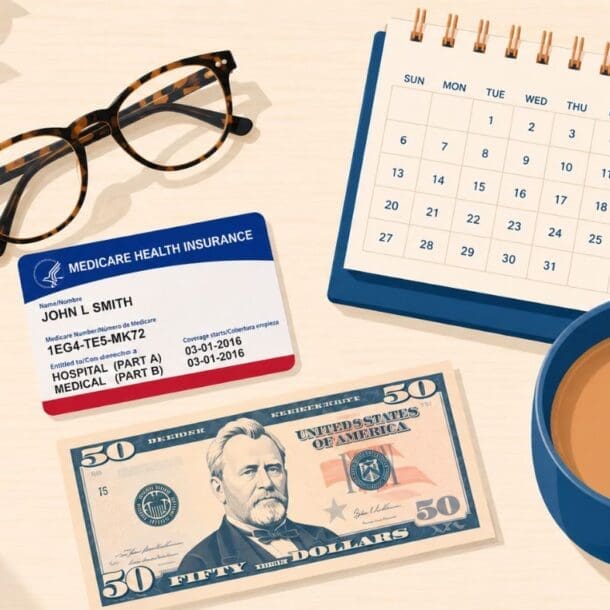
Now that Medicare covers Zepbound through the new GLP-1 Bridge program, my mother and her close friend are considering starting it.
And if you know me, you know what happened next: I went into full research mode. I wanted to know everything about what’s different when you start one of these medications after 65 — what the studies show, what doctors who work with older adults are cautious about, and what actually makes the difference between a good experience and a miserable one.
This article is everything I found, written the way I explained it to my mom. I’m not a doctor, and nothing here is medical advice — your doctor knows your health history and should guide every decision about medication. What I can offer is a year of firsthand experience with Zepbound and a whole lot of research, organized so you don’t have to dig for it.
First, the Good News: It Works Just as Well After 65
Let’s start with the question my mom asked me first: “Will it even work for me at my age?”
Yes. Research on adults 65 and older shows weight loss results in the same range as younger adults. In the major clinical trials, women over 65 achieved sustained weight loss of 10–20% of their body weight (Nutrients review), and a study comparing patients over and under 65 found similar weight loss in both groups.
So if you’ve been worried that a slower metabolism means the medication won’t work for you — set that worry down. Age is not the obstacle here.
But there are three things that genuinely are different after 65, and they’re the reason I wrote this guide.
The Big One: Protecting Your Muscle
Here’s the thing nobody tells you at the pharmacy counter: when you lose weight — by any method, medication or not — you don’t just lose fat. Some of what you lose is muscle.
For a 40-year-old, that’s worth paying attention to. After 65, it’s the single most important thing to plan for. Here’s why: we all naturally lose muscle as we age (doctors call it sarcopenia), and muscle is what keeps you steady on your feet, able to carry groceries, get up from a chair, and live independently. Research estimates 10–16% of adults over 60 already have meaningful muscle loss (British Journal of Pharmacology) — and losing weight quickly without protecting your muscle can make that worse.
The research on GLP-1s and muscle in older adults is still developing. Some shorter studies found that strength held up well even when the scale dropped. But a longer study in adults over 65 found grip strength declined after about a year on the medication (British Journal of Pharmacology). Researchers agree on the practical takeaway, though: protein and strength-building activity are how you protect yourself. (Nutrients review)
In plain terms, that means two commitments before your first dose:
- Eat protein first, at every meal. The medication shrinks your appetite dramatically — you’ll feel full after a few bites. If those bites are toast, your body will start pulling from muscle. If they’re eggs, chicken, fish, Greek yogurt, or cottage cheese, you’re protecting yourself.
- Move against resistance a few times a week. This doesn’t mean joining a gym. Bodyweight exercises, resistance bands, light weights, even sit-to-stands from a sturdy chair count. My low-impact home workouts for seniors is a gentle place to start — and ask your doctor what’s safe for you.
I’ve written a complete guide on this: [Protecting Your Muscle on a GLP-1 After 65] (internal link)
The Second Thing: Side Effects Hit Differently
The most common side effects of GLP-1 medications are stomach-related — nausea, constipation, and sometimes diarrhea. Most people experience at least some of this, especially in the first weeks and after dose increases. I certainly did.
Here’s what’s different after 65: research shows older adults stop taking these medications because of stomach issues at higher rates than younger people (AAMC). That’s a real shame, because most of these side effects can be managed — and the people quitting often just never got practical guidance.
The basics that make the biggest difference:
- Smaller meals, eaten slowly. Your stomach empties more slowly on these medications. Big meals sit heavy and trigger nausea.
- Water all day long, not all at once. Dehydration sneaks up when you’re eating less, and it makes constipation and fatigue worse.
- Fiber, deliberately. Constipation is the side effect nobody warns you about. Vegetables, berries, and fiber-rich foods need to be planned in, because your smaller appetite won’t leave room for them by accident.
- Know your greasy-food truth early. Fried and fatty foods are the most common nausea trigger. Learning this on day 3 is better than on day 30.
And one thing that is not a food problem: if you experience severe stomach pain, repeated vomiting, or you can’t keep fluids down, call your doctor. Don’t tough it out.
Full breakdown here: [GLP-1 Side Effects After 65: Why They Hit Harder and What Actually Helps] (internal link)
The Third Thing: A Few Conversations to Have With Your Doctor First
I promised my mom I’d give her the list of questions to bring to her appointment, so here’s the same list for you. These are the topics doctors who specialize in older adults think about before prescribing GLP-1s (AAMC):
- “How does this fit with my other medications?” Many people over 65 take several prescriptions, and your doctor may want to adjust timing or doses of other medications as you lose weight.
- “How much weight loss is right for me?” After 65, the goal isn’t always “as much as possible.” Your doctor may want a more moderate target that improves your health while protecting your strength.
- “How will we keep an eye on my muscle and strength?” Ask if they’ll check things like grip strength or how easily you rise from a chair — simple tests that catch problems early.
- “What’s our plan if I have side effects?” Knowing in advance whether they’d slow down dose increases takes the fear out of week one.
Setting Yourself Up: The First-Month Game Plan
If you and your doctor decide to go ahead, don’t wing the first month. The people who struggle most are the ones who start the injection and change nothing else. Here’s the short version of the plan I put together for my mom:
- Before your first dose: stock the kitchen with easy proteins (eggs, Greek yogurt, cottage cheese, rotisserie chicken, canned tuna) and gentle foods for rough days (broth, crackers, bananas). My ultimate GLP-1 shopping list covers it all.
- Week 1–2: focus only on protein-first eating and water. Don’t worry about “dieting” — the medication handles the appetite.
- Week 3–4: add gentle strength movement a few times a week, and start tracking how you feel, not just the scale.
- Ongoing: protein at every meal, fiber every day, and check in with your doctor before each dose increase.
The complete plan, with meals: [A Simple First-Month Eating Plan for GLP-1 Beginners Over 65] (internal link)
The Bottom Line
If you’re over 65 and considering Zepbound or Wegovy — especially now that Medicare covers them through the end of 2027 — the research says the medication can work just as well for you as for anyone else. The difference is that your margin for winging it is smaller. Protein, strength, hydration, and a doctor who’s watching the right things: that’s the whole formula.
My mom hasn’t made her decision yet. But whatever she decides, she’ll decide it informed — and now you can too.
Frequently Asked Questions
Is Zepbound safe for someone who is 70 or 75?
There’s no upper age cutoff for these medications, and research in adults over 65 found them safe and effective. That said, doctors who work with older adults are more cautious when someone has frailty, significant muscle loss, or several health conditions — which is exactly why the conversation with your own doctor matters more at this age, not less.
Will I lose weight more slowly because of my age?
The research (at the time of this article) says no — adults over 65 lost weight at rates similar to younger adults in the major studies, with sustained losses of 10–20% of body weight. A slower metabolism does not stop these medications from working.
How do I keep from losing muscle?
Two things: protein at every meal (eat it first, before anything else on your plate) and strength-building movement a few times a week — resistance bands, light weights, or bodyweight exercises like chair stands. This is the most important preparation you can do, and it starts before your first dose.
Are the side effects worse after 65?
The side effects are the same ones everyone gets — nausea, constipation, sometimes diarrhea — but research shows older adults quit the medication because of them at higher rates. Most of it is manageable with smaller meals, steady hydration, and deliberate fiber. Severe stomach pain, repeated vomiting, or trouble keeping fluids down means calling your doctor, not toughing it out.
Does Medicare pay for Zepbound now?
Yes, through the Medicare GLP-1 Bridge program — a flat $50 per month for people who qualify, with coverage running through December 31, 2027. I’ve written a full plain-English guide: Medicare Now Covers Zepbound
I take several other medications. Is that a problem?
It’s not automatically a problem, but it’s the first thing to bring up with your doctor. Some medications may need timing or dose adjustments as you lose weight, so bring your full medication list to the appointment.
How much protein do I actually need?
More than you think, and more than most people over 65 eat. The right number depends on your body and your doctor’s guidance, but the practical rule is simple: protein at every meal, eaten first. My guides to daily protein goals and [muscle protection] (internal link) break down exactly how to hit your target when your appetite is small.
Is it worth starting if Medicare coverage might end in 2027?
That’s the question, isn’t it — and it deserves more than a one-line answer. The short version: it can absolutely be worth it if you go in with a plan for your eating habits and a conversation with your doctor about what happens afterward. Coverage through the end of 2027 is a meaningful window if you use it well.
Sources: AAMC — Are GLP-1 weight-loss drugs safe for older adults? · Nutrients — GLP-1 Receptor Agonists for Obesity in Older Women · British Journal of Pharmacology — GLP-1 receptor agonists and muscle strength changes in older adults
I’m not a doctor, and this article is not medical advice. It’s for informational purposes only, based on published research and my own experience as a Zepbound patient. Always talk with your healthcare provider before starting, stopping, or changing any medication.
Please note: This website contains affiliate links. As an Amazon Associate, we earn from qualifying purchases at no additional cost to you.