
Please note: This website contains affiliate links. As an Amazon Associate, we earn from qualifying purchases at no additional cost to you.
SUMMARY: Heme vs non-heme iron comes down to one thing: how much your body can actually absorb. Heme iron comes from meat, poultry, and fish, and absorbs easily. Non-heme iron comes from plants and eggs, and mostly doesn’t — especially when coffee or dairy is nearby. That’s why a high-protein diet built on cottage cheese, protein shakes, and chicken breast can leave you low on iron without you ever knowing. Here’s how it works and what to eat instead.
I’m going describe a day of eating, and I want you to tell me what’s wrong with it….
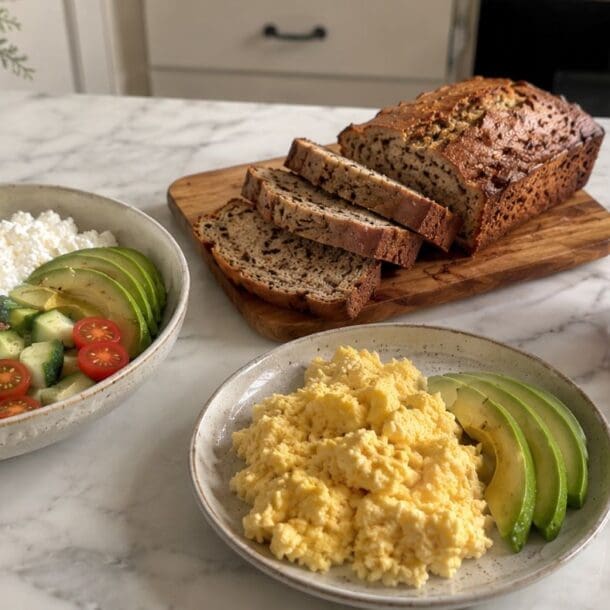
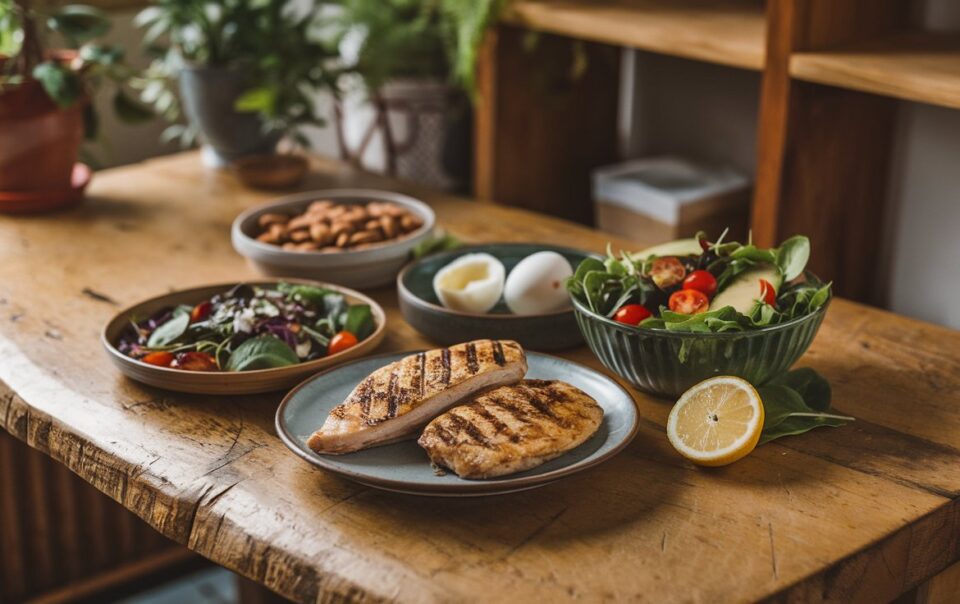
A cottage cheese and berry bowl for breakfast. A protein shake mid-morning. Chicken breast and a Greek yogurt parfait for lunch. Eggs and cottage cheese pancakes for dinner, because breakfast food at night just hits different.
Protein? Crushed it — probably 120 grams or more. Calories? Reasonable. By every rule this website teaches, that’s a gold-star day.
And it contains almost no usable iron.
That’s the trap hiding inside the modern high-protein diet, and almost nobody talks about it. We’ve all learned to count protein grams. Almost none of us have learned that where your protein comes from determines whether you’re getting iron along with it — because iron comes in two very different forms, and the foods dominating high-protein eating right now barely contain either one.
Let me explain heme vs. non-heme iron in plain English, because once you see it, you can’t unsee it — and if you’ve been dragging through your days despite “eating perfectly,” this might be your missing puzzle piece.
What Is Heme Iron? (And Why “Heme” Sounds Familiar)
Heme iron gets its name from hemoglobin — the protein in red blood cells that carries oxygen around your body. Heme iron is, quite literally, the iron found in blood and muscle tissue. It also lives in myoglobin, the oxygen-storing protein in muscle.
Which means heme iron exists in exactly one category of food: animal flesh. Meat, poultry, and seafood. If it never had muscles, it doesn’t have heme iron.
Everything else — plants, beans, grains, fortified cereals, and (surprisingly) eggs and dairy — contains only non-heme iron, a different form your body handles very differently.
Heme vs. Non-Heme Iron: The Absorption Gap
Here’s why the distinction matters so much. It’s not about how much iron is in the food — it’s about how much your body can actually use.
| Heme iron | Non-heme iron | |
|---|---|---|
| Found in | Meat, poultry, fish, shellfish | Plants, beans, grains, eggs, fortified foods |
| Absorption rate | Roughly 15–35% | Roughly 2–20% |
| Affected by other foods? | Barely | Heavily — calcium, coffee, and tea can block it |
Your body absorbs heme iron through its own dedicated pathway, efficiently, regardless of what else is on the plate. Non-heme iron, by contrast, is fussy: it absorbs at a fraction of the rate, and common foods eaten alongside it — dairy, coffee, tea — can slash even that.
So two meals with identical iron numbers on paper can deliver wildly different amounts of iron to your bloodstream. A 3-ounce serving of beef gives you less total iron than a cup of fortified cereal — but you’ll likely absorb more from the beef.
This is the part that food labels will never tell you.
The Dairy Blind Spot: Why Cottage Cheese Has (Almost) No Iron
Now, back to that gold-star day of eating — and why I picked those specific foods.
Cottage cheese is a protein superstar. I’ve built an entire recipe collection around it. But here’s what I didn’t appreciate for a long time: dairy contains essentially no iron. Not heme, not non-heme. Milk, yogurt, cottage cheese, whey protein — nutritionally wonderful in many ways, and nearly iron-free across the board.
And it gets worse: dairy is rich in calcium, which actively inhibits the absorption of non-heme iron eaten in the same meal. So a spinach salad with a side of Greek yogurt isn’t just failing to add iron — the yogurt is blocking some of the modest iron the spinach was offering.
Follow that math through a typical high-protein day. Cottage cheese breakfast: no iron, plus calcium. Whey shake: same. Yogurt parfait: same. You can hit 130 grams of protein and barely scrape a few percent of your iron needs — while surrounding every meal with an absorption blocker.
Nobody’s doing anything wrong. Dairy-based protein is affordable, easy, and gentle. But if it’s your primary protein source, iron is quietly falling through the cracks — and the highest-protein foods are not automatically the highest-iron foods.
Eggs, Chicken Breast, and Other Surprises
A few things that genuinely surprise people:
Eggs contain zero heme iron. Eggs come from an animal, but they aren’t muscle tissue — so their modest iron is all the poorly-absorbed non-heme kind, and a compound in yolks (phosvitin) binds some of it up besides. Eggs are wonderful food. They are not iron food.
Chicken breast barely counts. White meat is technically flesh, so it contains heme iron — but in small amounts. The iron lives where the myoglobin lives, and myoglobin is what makes meat dark. Chicken breast has roughly a third of the iron of the same portion of beef. Chicken thighs and dark turkey meat do meaningfully better.
“Iron-fortified” is non-heme. The iron sprayed onto cereals and added to protein bars is non-heme, absorbing at that low, easily-blocked rate — and often eaten with milk, which blocks it further.
Notice the pattern: eggs, chicken breast, dairy, protein powder, fortified bars — the exact building blocks of modern high-protein eating are precisely the foods with the least usable iron.
The GLP-1 Double Whammy
If you’re on Zepbound, Wegovy, or Mounjaro, this problem compounds — and it’s worth naming clearly, because I’ve lived it.
First, you’re eating half the food you used to, which means roughly half the iron, week after week. Second — and almost everyone I know on these medications reports some version of this — red meat is often the first food to go. It suddenly feels too heavy, too rich, too much work to digest. So the single best source of heme iron quietly exits the menu right as total intake drops.
Iron stores drain slowly, which is why this sneaks up over months. Feeling unusually cold all the time, getting breathless on stairs that never used to bother you, brittle nails, that walking-through-wet-cement exhaustion — I wrote a whole piece on why Zepbound fatigue is often a nutrient crash in disguise, and iron is one of the two usual suspects. It also doesn’t help that appetite suppression can leave you eating less than you realize in general — the iron slide is usually part of a bigger intake slide.
Best Heme Iron Foods, Ranked
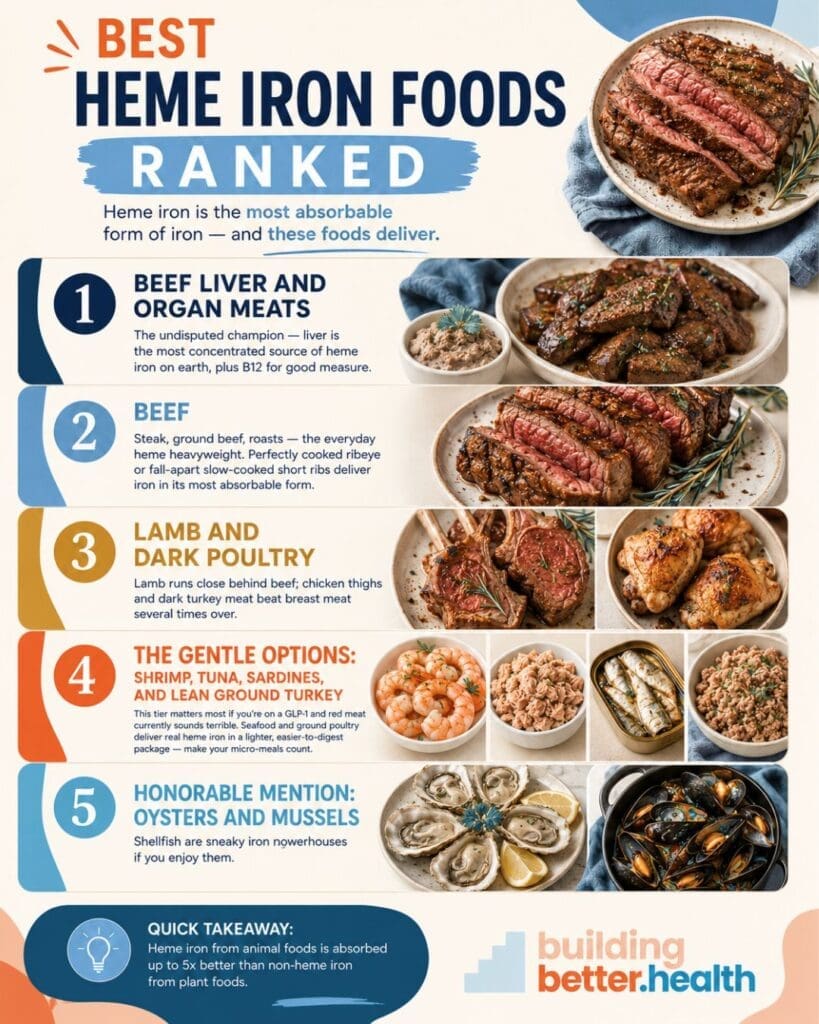
Here’s the practical payoff — the foods that actually deliver absorbable iron, roughly from most potent to gentlest:
1. Beef liver and organ meats. The undisputed champion — liver is the most concentrated source of heme iron on earth, plus B12 for good measure. If straight liver isn’t your thing, beef liver pâté is the classic gateway: spreadable, mild, and a tiny serving goes a long way.
2. Beef. Steak, ground beef, roasts — the everyday heme heavyweight. A perfectly cooked ribeye or fall-apart slow-cooked short ribs deliver iron in its most absorbable form. (My carnivore readers have been quietly winning at iron this whole time — of all the things that eating pattern gets debated over, iron status was never going to be one of them.)
3. Lamb and dark poultry. Lamb runs close behind beef; chicken thighs and dark turkey meat beat breast meat several times over.
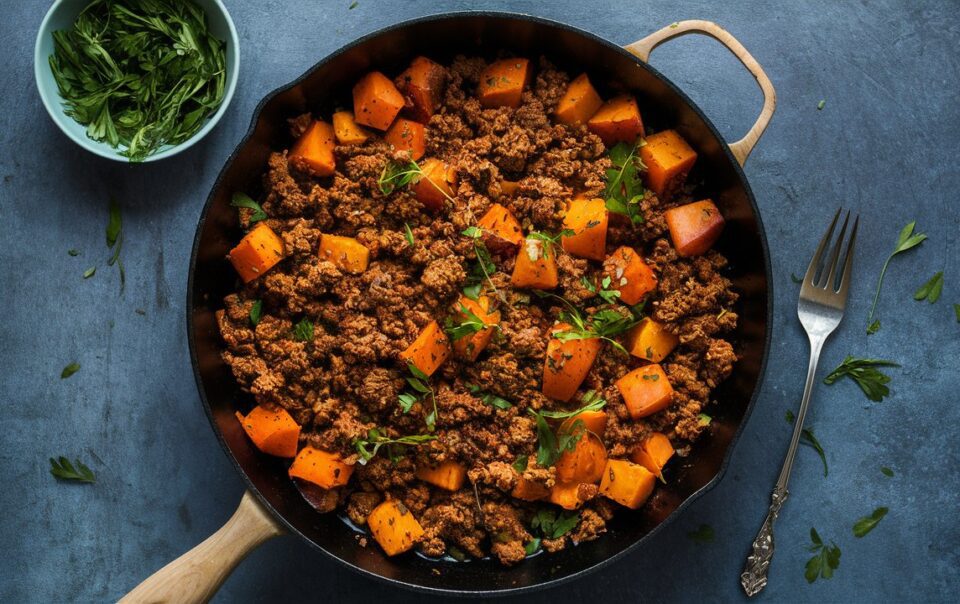
4. The gentle options: shrimp, tuna, sardines, and lean ground turkey. This tier matters most if you’re on a GLP-1 and red meat currently sounds terrible. Seafood and ground poultry deliver real heme iron in a lighter, easier-to-digest package — the same “make your micro-meals count” strategy from the fatigue article. You don’t need a 12-ounce steak; a few shrimp tacos or a tuna melt counts.
5. Honorable mention: oysters and mussels. Shellfish are sneaky iron powerhouses if you enjoy them.
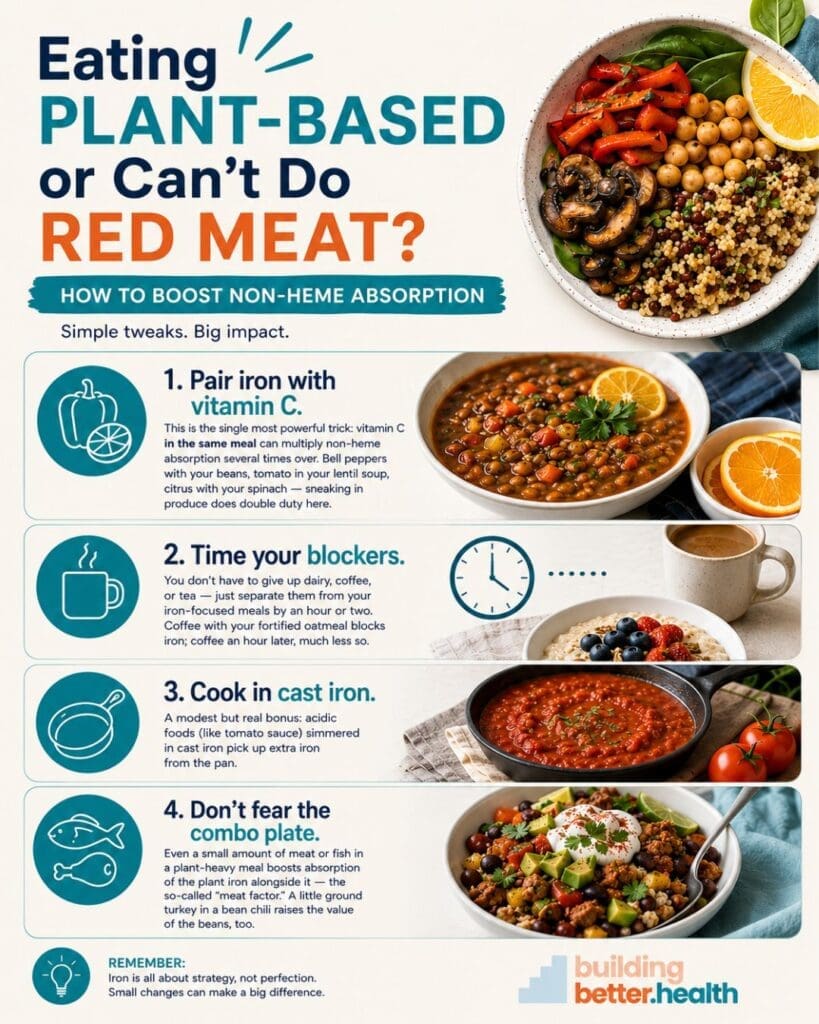
Eating Plant-Based or Can’t Do Red Meat? How to Boost Non-Heme Absorption
If meat isn’t on your menu — by choice or because your medication has opinions — you can meaningfully raise how much non-heme iron you absorb:
Pair iron with vitamin C. This is the single most powerful trick: vitamin C in the same meal can multiply non-heme absorption several times over. Bell peppers with your beans, tomato in your lentil soup, citrus with your spinach — sneaking in produce does double duty here.
Time your blockers. You don’t have to give up dairy, coffee, or tea — just separate them from your iron-focused meals by an hour or two. Coffee with your fortified oatmeal blocks iron; coffee an hour later, much less so.
Cook in cast iron. A modest but real bonus: acidic foods (like tomato sauce) simmered in cast iron pick up extra iron from the pan.
Don’t fear the combo plate. Even a small amount of meat or fish in a plant-heavy meal boosts absorption of the plant iron alongside it — the so-called “meat factor.” A little ground turkey in a bean chili raises the value of the beans, too.
How to Know If Your Iron Is Actually Low
Suspecting is not knowing — and this is the one nutrient where I’ll insist on the boring answer.
If the symptoms above sound like you, ask your doctor to check your ferritin (your body’s stored iron), not just a standard blood count. Ferritin catches a slide months before it becomes anemia that shows up on a routine panel. And please test before you supplement: unlike most vitamins, excess iron isn’t harmless and your body has no easy off-ramp for it. Taking iron “just in case” is how people trade fatigue for a different problem. The full test-first game plan — including which gentle supplement forms to ask about if your numbers do come back low — is in the Zepbound fatigue recovery protocol.
FAQ: Heme vs. Non-Heme Iron
Is there heme iron in eggs?
No. Heme iron only exists in muscle tissue, and eggs aren’t muscle — their modest iron is entirely non-heme, and a yolk compound called phosvitin binds some of it. Eggs are an excellent protein source but a poor iron source.
Does cottage cheese have iron?
ssentially none. Dairy products — cottage cheese, yogurt, milk, whey protein — are nearly iron-free, and their calcium can block absorption of non-heme iron eaten in the same meal. A dairy-heavy high-protein diet can be surprisingly low in iron.
What food has the most heme iron?
Organ meats, especially beef liver, top the list by a wide margin, followed by red meats like beef and lamb. Among lighter options, oysters, mussels, sardines, shrimp, and tuna deliver meaningful heme iron with less heaviness.
Can you get enough iron without red meat?
Yes, but it takes strategy: lean on seafood and dark poultry for heme iron, pair plant iron sources with vitamin C, keep coffee, tea, and dairy an hour or two away from iron-focused meals, and consider ferritin testing if fatigue symptoms appear.
Does coffee really block iron absorption?
Yes — compounds in coffee and tea (polyphenols and tannins) can significantly reduce non-heme iron absorption when consumed with a meal. The fix is timing, not quitting: enjoy them between meals rather than alongside your iron sources.
The Step Nobody Mentions
Learning to prioritize protein changed everything for so many of us — it was step one, and it still is.
But protein grams were never the whole story. Where the protein comes from decides what rides along with it, and the foods powering the modern high-protein diet happen to be the quietest iron sources in the grocery store. Nobody tells you that. The label doesn’t tell you that. Your energy levels, eventually, will.
So keep the cottage cheese — I’m certainly not giving up mine! Just make sure something with actual heme iron shows up on your plate a few times a week, give your plant iron a vitamin C buddy, and if you’ve been running on empty despite doing everything “right,” get the ferritin test.
Protein was step one. Iron is the step nobody mentions.
This article is for informational purposes only and is not medical advice. Iron needs vary widely, low iron can have causes that need medical evaluation, and excess iron can be harmful. Talk to your doctor before taking any iron supplement, and always test before supplementing.
Please note: This website contains affiliate links. As an Amazon Associate, we earn from qualifying purchases at no additional cost to you.