Please note: This website contains affiliate links. As an Amazon Associate, we earn from qualifying purchases at no additional cost to you.
If you are a few weeks into your journey with a GLP-1 medication like Zepbound or Wegovy, you probably know the exact feeling I’m about to describe.
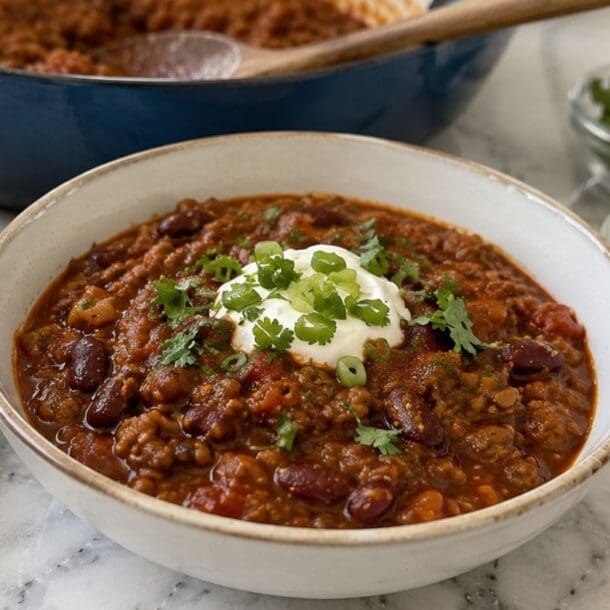
You sit down, excited to eat a healthy, plant-based meal. Maybe it’s a beautiful, crisp raw salad or a hearty bowl of black bean chili. You take about four bites, put your fork down because you’re suddenly totally full, and then… it hits.
Within an hour, your stomach expands like a basketball. You feel painfully tight, heavily bloated, and trapped with a wave of mild nausea or acid reflux that lasts all night.
As someone who has been on Tirzepatide (Mounjaro) for over a year and eats a mostly plant-based diet, let me tell you: the plant-based bloat on these medications is a completely different level of misery.
Normally, a high-fiber, plant-heavy diet is the gold standard of health. But the second you inject these medications, the rules of digestion completely rewrite themselves. Here is the honest, friendly truth about why your stomach is rebelling against your favorite healthy foods, and the exact “bio-hacks” I used to fix it so I could eat comfortably again.
The Biological Culprit: Why “Healthy” Foods Hurt Right Now
To understand how to fix the bloat, we have to look at what the medication is actually doing to your gut.
GLP-1 medications work by drastically slowing down gastric emptying. That means food sits in your stomach and your upper digestive tract for hours longer than it used to.
Now, think about what happens when you leave a bowl of raw broccoli or a pot of beans sitting out on a warm counter for six hours. It starts to ferment, break down, and release a ton of gas. That exact same fermentation process is happening inside your stomach right now. Because plant foods are packed with complex fibers and starches that take a lot of work to break down, they stall out in your slow-moving digestive tract. They ferment, they trap gas, and they leave you feeling absolutely miserable.
You aren’t doing anything wrong, and your body isn’t broken. You just have to change how you prepare your plants.
4 Rules to Eat Plants Without the Bloating Pain
If you want to keep eating your veggies and grains without blowing up like a balloon, you need to follow these four real-world rules.
1. Stop Eating Raw Vegetables (Seriously, Cook Everything)
I know it feels counterintuitive to give up big, beautiful raw salads, but raw cruciferous veggies (like kale, broccoli, cauliflower, cabbage, and Brussels sprouts) are public enemy number one right now. Their cell walls are incredibly tough. On these meds, your stomach simply doesn’t have the digestive horsepower to break them down quickly.
- The Fix: Cook your veggies until they are practically melt-in-your-mouth soft. Steam them, roast them, or simmer them in broths. Pre-breaking down those plant walls with heat does the heavy lifting for your stomach, so it can digest them effortlessly without trapping gas.
2. Ditch the “Skins” and Seed Coats
The skins of certain fruits and veggies—like bell peppers, apples, eggplants, and tomatoes—are made of insoluble fiber. This type of fiber doesn’t dissolve in water; it acts like bulk in your gut. On a normal diet, that’s great. On Mounjaro or Wegovy, it just creates a digestive traffic jam.
- The Fix: Peel your apples and cucumbers. Roast your bell peppers and peel the papery skin off before eating them. Opt for veggies that are naturally smoother and easier on the tract, like zucchini, peeled carrots, and well-cooked sweet potatoes.
3. The Great Bean Pivot: Blend or Ferment
If you try to sit down and eat a bowl of whole chickpeas or black beans, you’re going to pay for it later. The outer skin of the bean contains starches called oligosaccharides, which are notoriously difficult to digest.
- The Fix: If you want legumes, blend them. Pureeing beans into a smooth hummus or a blended lentil soup breaks up those tough outer coats mechanically. Even better? Switch to tempeh. Because tempeh is fermented soy, the beneficial cultures have already “pre-digested” those tough starches for you, making it incredibly gentle on a slow stomach.
4. Watch Out for the “Liquid Sludge” Trap
When people find themselves struggling to eat solid food, they often turn to green smoothies or massive plant-based protein shakes. But loading a blender with raw spinach, celery, chia seeds, and a thick vegan protein powder creates a heavy, fibrous sludge. It hits your slow stomach like a concrete block.
- The Fix: Keep your liquids thin. If you make a shake, use an unsweetened, single-ingredient powder (like plain pea isolate) and blend it thin with a high-quality, ultra-filtered soy or almond milk. Avoid powders that list “xanthan gum,” “guar gum,” or “cellulose gum” on the ingredient list—these are thickeners that swell up in your stomach and cause instant nausea.
The Secret Weapon: Soluble Fiber & Hydration
When you start backing off massive plates of bulky vegetables to save your stomach from bloating, you might run into the other infamous GLP-1 side effect: severe constipation.
To keep things moving without adding painful bulk, you need to focus exclusively on soluble fiber. Soluble fiber absorbs water and turns into a gentle, slippery gel that helps food slide through your slowed digestive tract smoothly.
How to get it safely:
- Stir a tablespoon of ground flaxseed or chia seeds into your morning oatmeal or thin protein shake. Let it sit for a couple of minutes to soften up before consuming.
- Remember, soluble fiber must have water to work. Because these medications totally delete your thirst drive, you have to actively remind yourself to drink. Keep a water bottle next to you all day, and drop an unflavored electrolyte packet into it once a day to help your body actually absorb the hydration.
** More soluble fiber ideas in the FAQ section below!
A Quick “Cheat Sheet” for Your Next Meal
When you’re standing in the kitchen trying to figure out what won’t make you sick, use this quick mental guide:
- Instead of a raw kale salad… Try well-cooked, tender baby spinach sautéed in a little olive oil and lemon juice.
- Instead of whole black beans… Try a smooth, creamy lentil dal or a few tablespoons of traditional hummus.
- Instead of crunchy raw broccoli florets… Try roasted zucchini slices or a thoroughly mashed sweet potato.
Be gentle with yourself. Navigating a plant-based diet on these GLP-1 medications takes some trial and error, and your tolerance for certain foods will change from week to week. Listen to your body, prioritize small portions of thoroughly cooked foods, and don’t be afraid to put the fork down the exact second your stomach says it’s done.
Plant-Based Eating on Wegovy: FAQs
Should I take digestive enzymes or gas pills to help with the bloating?
Over-the-counter gas medications containing simethicone can be a lifesaver for breaking up painful gas bubbles in your tract. However, be cautious with heavy digestive enzymes. Because your medication is intentionally slowing down your stomach, forcing it to speed up with enzymes can sometimes cause cramping or interfere with how your medication absorbs. Always check with your doctor first, but for immediate relief, simple gas-relief chews are usually a safe bet.
Can I use carbonated water to help settle my stomach or relieve the fullness?
I would strongly advise against it (but check with your doctor!). When you feel full and heavy, your instinct might be to reach for a sparkling water or a diet soda to force a burp and relieve pressure. But on Mounjaro or Wegovy, introducing carbonation is like pumping air into an already over-inflated tire. The trapped bubbles have nowhere to go because your digestion is slowed down, which usually triggers intense cramping, severe acid reflux, or immediate vomiting. Stick to flat, still water with electrolytes.
Why does the bloating feel so much worse at night?
Gravity and time are the main reasons here. Throughout the day, you are upright, moving around, and likely eating small bits of food. By the time you lay down to sleep, the food you ate at lunch might still be sitting in your stomach due to delayed gastric emptying. When you go horizontal, that fermenting food and trapped gas push upward against your esophageal sphincter, leading to intense nighttime bloating, a rock-hard stomach, and acid reflux. Try to finish your last bite of food at least 3 to 4 hours before your head hits the pillow.
Will this intense bloating eventually go away, or am I stuck with it?
For most of us, it gets significantly better! The first few weeks on a new dose are always the hardest because your body is actively panicking and adapting to the slowed-down digestive signals. As your system gets used to the medication—and as you switch to the cooked, low-volume plant strategies we talked about—the violent bloating should calm down to a manageable rumble. If it doesn’t, or if it’s accompanied by severe pain, definitely loop in your doctor.
Are there any specific cooking methods that reduce bean bloat?
Yes, if you are going to cook whole beans or lentils at home, old-school preparation is your best friend. Soak dry beans for at least 12 to 24 hours before cooking, and change the water several times. Throw a piece of dried Kombu seaweed or a pinch of baking soda into the pot while they simmer. This helps break down the complex gas-producing sugars (oligosaccharides) before the food ever reaches your plate.
What are some other easy examples of soluble fiber that won’t make me bloat?
If you want to switch things up from flax and chia, there are plenty of gentle, low-volume options that won’t trigger a stomach rebellion. Oat bran or well-cooked, creamy oatmeal is fantastic because it dissolves into a smooth, comforting mush. Psyllium husk powder is another classic—you can stir a small teaspoon into your liquid protein (just drink it quickly before it thickens up too much!). For actual food, flesh-only avocados (skip the tough skins!), well-boiled carrots, and the soft insides of a baked sweet potato are all incredibly rich in soluble fiber. They soothe your digestive tract and keep things moving without creating a heavy, fibrous traffic jam.
Please note: This website contains affiliate links. As an Amazon Associate, we earn from qualifying purchases at no additional cost to you.